Trenchless Sewer Repair in Denver, CO
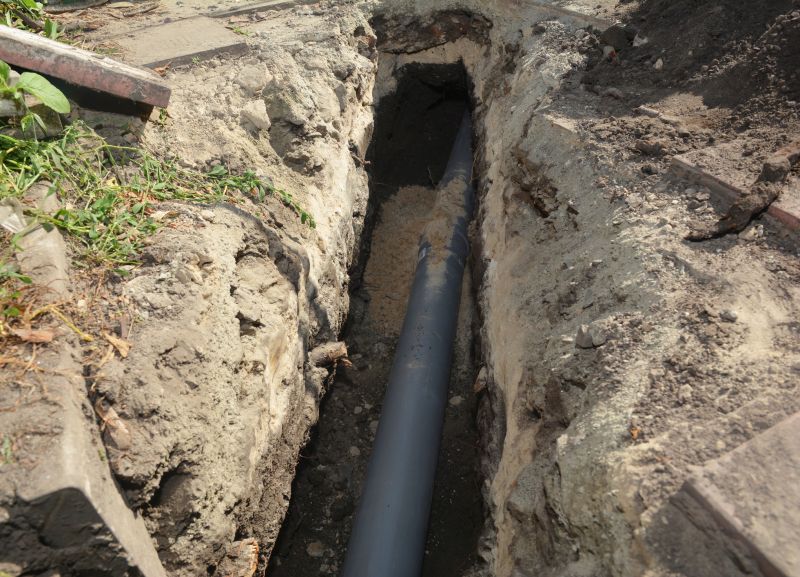
Trenchless sewer repair is a modern method used to address underground sewer line issues without the need for extensive digging or excavation. This technique is suitable for a variety of projects, including replacing damaged or aging pipes, fixing leaks, or clearing blockages caused by tree roots or debris. Property owners interested in this service typically want to understand how the process minimizes disruption to their landscape and structures, as well as its effectiveness in restoring proper sewer function.
Before requesting trenchless sewer repair, homeowners should consider the extent of their sewer line damage and whether the existing pipes are accessible for this approach. It’s also helpful to understand the types of materials used in the current sewer system and if any permits or inspections are required for the work. Contacting a professional can provide clarity on whether trenchless repair is suitable for specific situations and what to expect during the process.
Many property owners in Denver, CO look into Trenchless Sewer Repair for repairs, replacements, upgrades, and appearance-related improvements.
Advantages Of Trenchless Sewer Repair
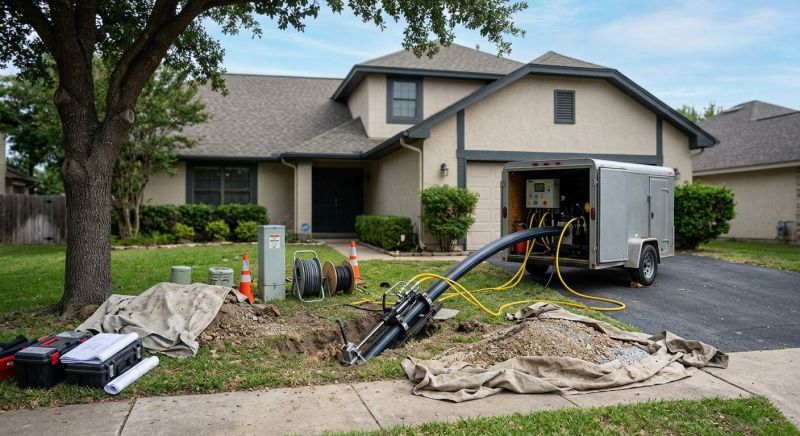
This method minimizes surface disruption and reduces repair time for denver homeowners.
Common Trenchless Solutions
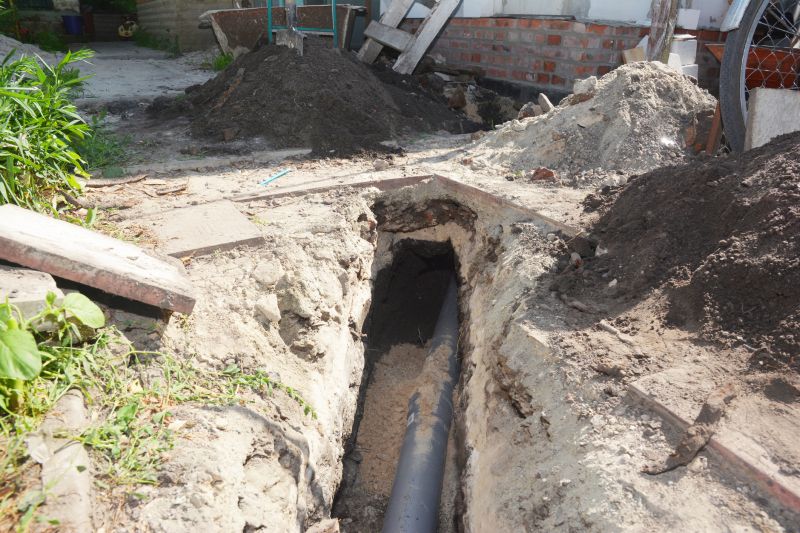
Techniques like pipe lining and pipe bursting are used to restore sewer lines without extensive digging.
Signs You Need Sewer Repairs
Issues such as persistent backups, foul odors, or slow drains may indicate a sewer line problem requiring attention.
Trenchless Sewer Repair in Denver, CO

Trenchless sewer repair is a modern method used to address underground sewer line issues without the need for extensive digging or excavation. This technique is suitable for a variety of projects, including replacing damaged or aging pipes, fixing leaks, or clearing blockages caused by tree roots or debris. Property owners interested in this service typically want to understand how the process minimizes disruption to their landscape and structures, as well as its effectiveness in restoring proper sewer function.
Before requesting trenchless sewer repair, homeowners should consider the extent of their sewer line damage and whether the existing pipes are accessible for this approach. It’s also helpful to understand the types of materials used in the current sewer system and if any permits or inspections are required for the work. Contacting a professional can provide clarity on whether trenchless repair is suitable for specific situations and what to expect during the process.
Many property owners in Denver, CO look into Trenchless Sewer Repair for repairs, replacements, upgrades, and appearance-related improvements.
Common Trenchless Sewer Repair Jobs
Pipe Replacement - replaces damaged or collapsed sewer lines without extensive digging.
Pipe Relining - installs a new pipe within the existing sewer line to restore flow.
Pipe Inspection - uses cameras to locate blockages and assess pipe conditions.
Root Intrusion Repair - removes tree root intrusion without digging up the yard.
Leak Detection - identifies leaks within sewer lines to prevent future issues.
Line Clearing - clears blockages to restore proper sewer function efficiently.
Trenchless Sewer Repair Questions
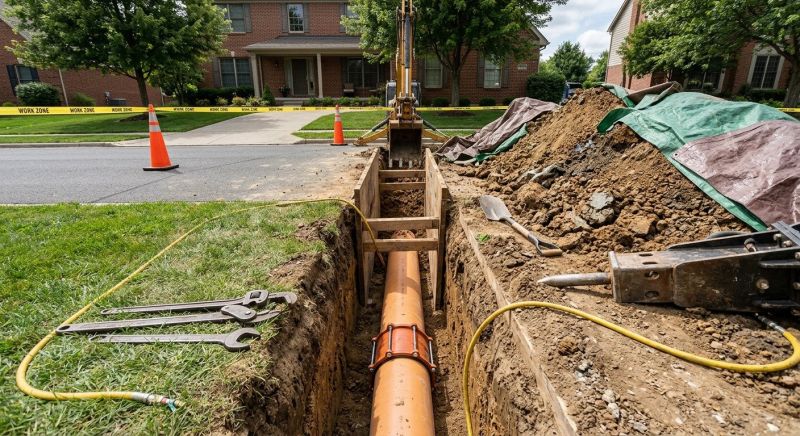
What is trenchless sewer repair? It is a method that fixes sewer lines without extensive digging, using specialized equipment to access pipes through small access points.
When is trenchless sewer repair needed? It is typically used for repairs caused by tree roots, pipe corrosion, or cracks that require minimal disruption to property.
Does trenchless repair work on all sewer pipe types? It is effective on most common pipe materials, including clay, PVC, and cast iron, depending on the specific condition of the sewer line.
What are the benefits of trenchless sewer repair? Benefits include less surface disturbance, faster completion, and reduced overall repair impact on the property.
Request Trenchless Sewer Repair in Denver, CO
Use the quote form on this page to share the basics of your project and request more information for the type of work you need.